秋に向けて洗顔ルーティンをアップデートする方法:効果を実感できる5つの変更点
香港では、秋は劇的に訪れるわけではありません。気温は徐々に下がり、湿度は夏の高水準から引き戻され、エアコンは稼働し続けます。しかし、あなたの肌にとっては、その変化は現実です。夏の皮脂や汗を処理していた同じ洗顔料が、突然つっぱりを感じるようになり、7月にはバランスが取れていた肌が、10月にはつっぱり、くすみ、刺激を受けやすくなることがあります。解決策は完全な見直しではありません。それは、洗顔方法と使用する製品に対して、5つの的を絞った調整を行うことです。
Hong Kong's summer-to-autumn shift is subtle but real. Your skin notices before you do
季節の変わり目に実行すべき5つの変更点と、それぞれの重要性について説明します。
秋になると肌の感覚が変わるのはなぜですか?
香港の夏は湿度が高く(85%を超えることも多い)、空気中の水分が肌のバリアをサポートし、熱や汗による脱水作用の一部を相殺します。秋になると湿度が大幅に低下し、稼働中のエアコンがさらに室内の水分を奪います。天然の油分と水分結合化合物の慎重なバランスに依存する肌のバリアは、水分を保持するためにより懸命に働かなければなりません。もしクレンザーが必要以上に皮脂を奪ってしまったり、あなたのルーティンが水分を補給していなかったりすると、そのギャップはすぐに、夏のようには感じられなかったつっぱり感、くすみ、または敏感さとして現れます。
変更点1:肌タイプに合わせた、より栄養価の高いクレンザーに切り替える
最も大きな影響を与えることができる変更は、クレンザーです。夏のフォーミュラは、過剰な油分や汗を効率的に除去するように作られていることがよくあります。しかし、気温が下がり、肌が皮脂の生成を抑えるようになると、その同じ効率性が裏目に出ることがあります。より穏やかで栄養価の高いフォーミュラに切り替えることで、一日中肌を快適に保つために必要なグリセリンや天然の油分を維持することができます。
季節に肌がどのように反応しているかに応じて、2つの選択肢があります。
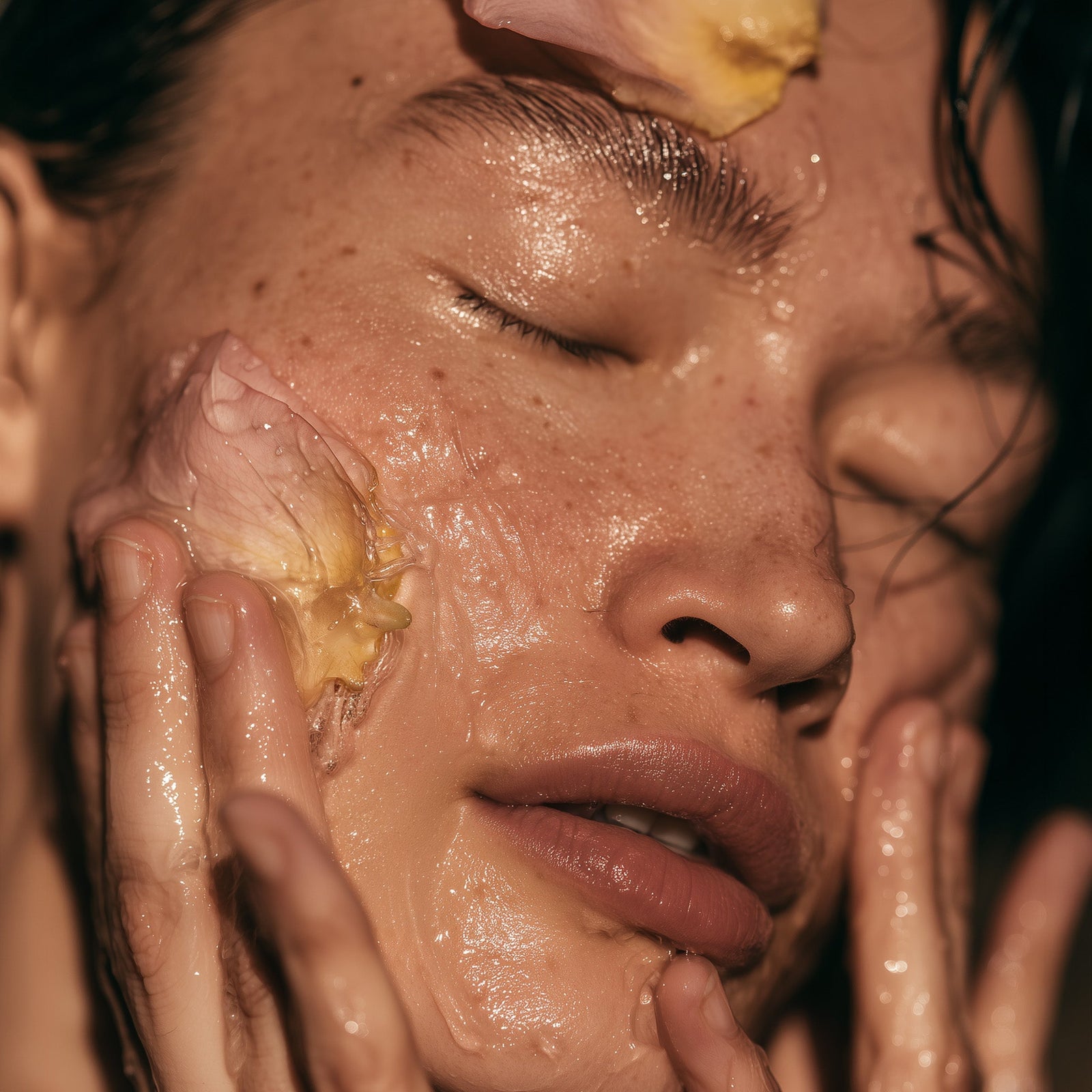
洗顔後に肌が乾燥し、つっぱり、反応しやすくなると感じたら:ローズ&ピオニー フェイスウォッシュは、まさにこの瞬間のために特別に作られました。ローズとピオニーの花びらをエクストラバージンオリーブオイルに180日間かけてゆっくりと浸漬した後、オイルを鹸化して洗顔料にします。このプロセスにより、鹸化によって生成される天然のグリセリンが保存されるため、水分が泡とともに洗い流されることなく肌にとどまります。ローズは季節性の赤みの見た目を落ち着かせ、ピオニーは冬のくすみが現れ始める時期に抗酸化サポートをもたらします。

乾燥肌または反応しやすい肌のための栄養豊富なクレンザー
ローズ&ピオニー フェイスウォッシュ
ローズとピオニーの花びらをエクストラバージンオリーブオイルに180日間かけてゆっくりと浸漬し、グリセリンが豊富な穏やかな洗顔料に鹸化しました。パルマローザ、ローズ、ゼラニウム、ベンゾイン、ベチバー、フランキンセンスの香り。200ml。香港製。
肌が敏感な方、または特に優しさが必要な方:ベーシッククレンジングフォームはさらに一歩進んでいます。その界面活性剤は、リンゴ由来の穏やかなアミノ酸(利用可能な界面活性剤の中でも最も刺激が少ないものの1つ)であり、洗顔中に肌のバリアを積極的にサポートするためにオートグルカンとパンテノールが追加されています。アミノ酸複合体が肌の自然な再生プロセスをサポートします。乾燥肌や敏感肌のために特別に設計されており、肌の天然の油分やミネラルを取り除くのではなく保持し、清潔でつっぱり感のない、柔らかく潤いのある肌に仕上げます。

敏感肌または乾燥肌のための超低刺激フォーム
ベーシッククレンジングフォーム
pHバランスの取れたアミノ酸フォーム、オートグルカン、パンテノール、アミノ酸複合体配合。天然の油分とミネラルを保持しながら優しく洗顔。カモミール、ローズウッド、ベルガモット、タンジェリンの香り。100ml。香港製。
変更点2:メイク落としにオイルクレンジングを追加する
オイルクレンジングは、最も古いクレンジング方法の1つであり、涼しく乾燥した気候に最も適しています。原理はシンプルです。植物油がメイクアップ、日焼け止め、日常の汚染物質の油性成分を溶解し、乾いた顔に直接フォームクレンザーを塗布するような刺激を与えることなく、毛穴からこれらを除去します。秋はすでに湿度の低下によって肌に負担がかかっているため、これはフォームクレンザーをもう一度使うよりも、メイク落としに優しい方法です。
ベーシッククレンジングオイルを乾いた肌に60〜90秒間マッサージした後、少量の水を加えて乳化させ、洗い流します。メイク、日焼け止め、蓄積された汚れを取り除きながら、肌を柔らかくし、潤いを与えます。配合はオーガニックオリーブオイル、オーガニックヒマワリ種子油、キャスターオイルです。ミネラルオイルは使用していません。ダブルクレンジングの最初のステップとして、または濃いメイクをしない日には単独で使用することで、乾燥した季節に最も肌に優しいクレンジング方法の1つです。

オイルクレンザー&メイク落とし
ベーシッククレンジングオイル
オーガニックオリーブオイル、オーガニックひまわり種子油、ひまし油。ミネラルオイル不使用。メイクアップや日焼け止めを落とし、肌の潤いを奪いません。カモミール、ローズウッド、ベルガモット、タンジェリンの香り。200ml / 30ml トラベルサイズ。香港製。
変更点3:保湿化粧水にアップグレードする
化粧水は、クレンザーが除去したものを補うことができるステップであり、秋には夏よりもその補給が重要になります。セブンフラワーズ フェイストナーは、乾燥肌のために特別に開発され、広東の「七花(セブンフラワーズ)」の儀式から着想を得て、ジャスミン、ネロリ、キンモクセイ、ピオニー、ラベンダー、カレンデュラ、ローマンカモミールの7つのフローラルウォーターをベースとして重ねています。その基盤の上に、ペンタビチン(最大72時間水分を肌に結合させる砂糖大根由来の分子)、トレハロース、オートβ-グルカン、ナイアシンアミド、加水分解コムギタンパク、パンテノールが配合されています。洗顔後、まだわずかに湿った肌に塗布すると、香港の乾燥した秋の空気の中、エアコンが効いた室内でも水分を保持する貯水層を築きます。

乾燥肌のための深い保湿化粧水
セブンフラワーズ フェイストナー
ペンタビチン、トレハロース、オートβ-グルカン、ナイアシンアミド、パンテノール配合の7種のフローラルウォーター。一日中肌に水分を閉じ込めます。ジャスミン、ゼラニウム、イランイラン、ベチバー、ベンゾインの香り。100ml。香港製。
変更点4:夏が残したものをケアするためにフェイシャルオイルを追加する
秋は、乾燥する季節が深まる前に夏のダメージを修復するのに最適な時期です。夏の紫外線曝露、熱、屋外での時間は、不均一な肌トーン、水分バリアの低下、そして涼しい空気がやってくるとより目立つくすみをもたらすことがあります。化粧水の後につけるターゲットを絞ったフェイシャルオイルは、これらのダメージに対処しながら、秋が本格的に始まる前に肌の脂質層を強化するのに役立ちます。
ベーシックフェイシャルオイル - セルリペアリングは、紫外線後の修復と水分補給のために選ばれた3つの植物油を中心に作られています。オーガニックローズヒップオイルは、ビタミンE、ビタミンC、β-カロテンを提供し、細胞のターンオーバーと肌の輝きをサポートします。ルリヂシャ油は、ガンマリノレン酸(GLA)の天然濃度が最も高く、紫外線曝露で消耗した肌の水分バリアを回復させる抗炎症性脂肪酸です。この成分が、このオイルを単に乾燥肌のためだけでなく、特に夏後に有用なものにしています。オーガニック月見草油は、紫外線ストレスによって蓄積される弾力性と水分損失に対処します。ジャーマンカモミールの少量ブレンドは、肌を落ち着かせ、再生する化合物を加え、オイルに特徴的な淡い青色を与えます。

夏後の肌の修復
ベーシックフェイシャルオイル - セルリペアリング
オーガニックローズヒップ、ボラージ、イブニングプリムローズオイルにジャーマンカモミールを配合。紫外線によるくすみ、不均一な肌トーン、水分バリアの低下に対処します。30ml。香港製。
変更点5:洗顔料だけでなく、洗い方も調整する
製品も重要ですが、テクニックが製品の効果を左右します。秋には3つの習慣を調整することが、大きな違いをもたらします。
水温。熱いお湯はぬるま湯よりも皮脂を奪いやすく、肌がすでに乾燥しやすい秋にはその差が顕著です。35~37℃程度のぬるま湯で洗顔することで、肌に必要な脂質を取り除かずに、油分や汚れを溶かして除去するのに十分な温かさです。最後に熱いお湯ではなく、冷たい水で軽くすすぐことで、毛穴を引き締め、肌の表面をサポートします。
洗顔頻度。夏の間、皮脂や汗の管理のために朝晩ダブルクレンジングをしていた場合、秋はそれを見直す良い機会です。ほとんどの肌タイプでは、涼しい季節には夜に一度の丁寧な洗顔で十分です。朝は軽い水洗顔、またはルーティンの中で最も穏やかなクレンザーを使うことで、夜間の皮脂を取り除きつつ、夜間の製品で築き上げたものを損なわずに済みます。
優しく拭き取る、こすらない。わずかに湿った肌は、完全に乾いた肌よりも次に使う製品をはるかによく吸収します。柔らかいタオルで優しく叩くように拭き取り、肌がまだ湿っているうちに化粧水を塗布してください。化粧水の保湿成分は、完全に乾いた表面よりも、わずかに開いて湿った肌に効果的に吸収されます。
よくある質問
香港では、秋の洗顔ルーティンをいつ変えるべきですか?
香港では、湿度が夏の高水準から下がり始め、気温が下がり始める9月中旬から10月にかけて、目立った季節の変化が訪れます。肌はカレンダーよりも早く変化の兆候を示すことが多いです。いつものクレンザーが8月よりもつっぱりを感じるようになったり、洗顔後すぐに肌がつっぱるようになったりしたら、それが切り替えの具体的な合図です。特定の日付を待つ必要はありません。
脂性肌や混合肌でもクレンジングオイルを使えますか?
はい、多くの方が驚かれますが、使えます。オイルクレンジングは、植物油がメイクアップや皮脂の油性成分を溶解するという原理に基づいており、刺激の強い泡洗顔料が引き起こすような反動的な皮脂過剰分泌を引き起こしません。乾いた肌に塗布して丁寧に洗い流すことで、クレンジングオイルは効率的に汚れを落とし、肌のバランスを整えます。重要なのは、肌タイプに合ったオイルを使用し、残留物を残さないことです。脂性肌の方は、2番目のステップとして軽い水性クレンザーを使用することで、過剰な皮脂を奪うことなく、徹底的なルーティンを保つことができます。
秋には角質除去を多くするべきですか、少なくするべきですか?
一般的には少なくするべきです。低湿度と冷たい空気は、夏の状況よりもすでに肌のバリアにストレスを与えています。夏に週2〜3回角質除去をしていたのであれば、秋には週1回に減らすことで、バリアをさらに破壊するのではなく保護することになります。敏感肌や季節性の乾燥が見られる肌の場合は、10〜14日に1回がより適切です。穏やかな化学的角質除去(例えば、低濃度の乳酸)は、乾燥した季節には物理的なスクラブよりもバリアに優しいです。
秋の顔のルーティンはどのような順番で適用すればよいですか?
一般的なルールは、水性のステップを油性のステップの前に行い、軽いものから重いものへと塗布することです。秋の実用的な手順は、クレンジング(メイクをしている場合はクレンジングオイルでメイクを落とし、次に優しい泡またはジェルクレンザーを2番目のステップとして使用)、やや湿った肌に保湿化粧水で整える、そして化粧水の水分を閉じ込めるためにフェイシャルオイルを塗布する、というものです。水性保湿剤を使用する場合は、フェイシャルオイルの前に塗布します。なぜなら、オイルは水性層の上に効果的に留まりますが、最初に塗布された水性層を浸透することはないからです。
季節の変わり目に肌荒れするのは普通のことですか?
季節性の肌荒れは一般的で、通常は湿度と気温の変化に肌が順応することに関連しています。香港の秋では、最も一般的な原因は乱れた水分バリアです。わずかに脱水状態の肌は、それを補うために過剰な皮脂を生成し、毛穴を詰まらせる可能性があります。優しいクレンジングに切り替え、化粧水で水分を補給する方が、専用のスポット治療を追加するよりも効果的です。移行期に肌荒れが続く場合は、クレンザーが肌タイプに合っているか、洗顔後に十分な水分を補給できているかを見直してください。